Creating Value: Strategic Sourcing
Learn how our evolving Sourcing platform supports property teams with data-driven tools, supplier partnerships, and tailored training to help drive smarter decisions and stronger operations.



May 22, 2023
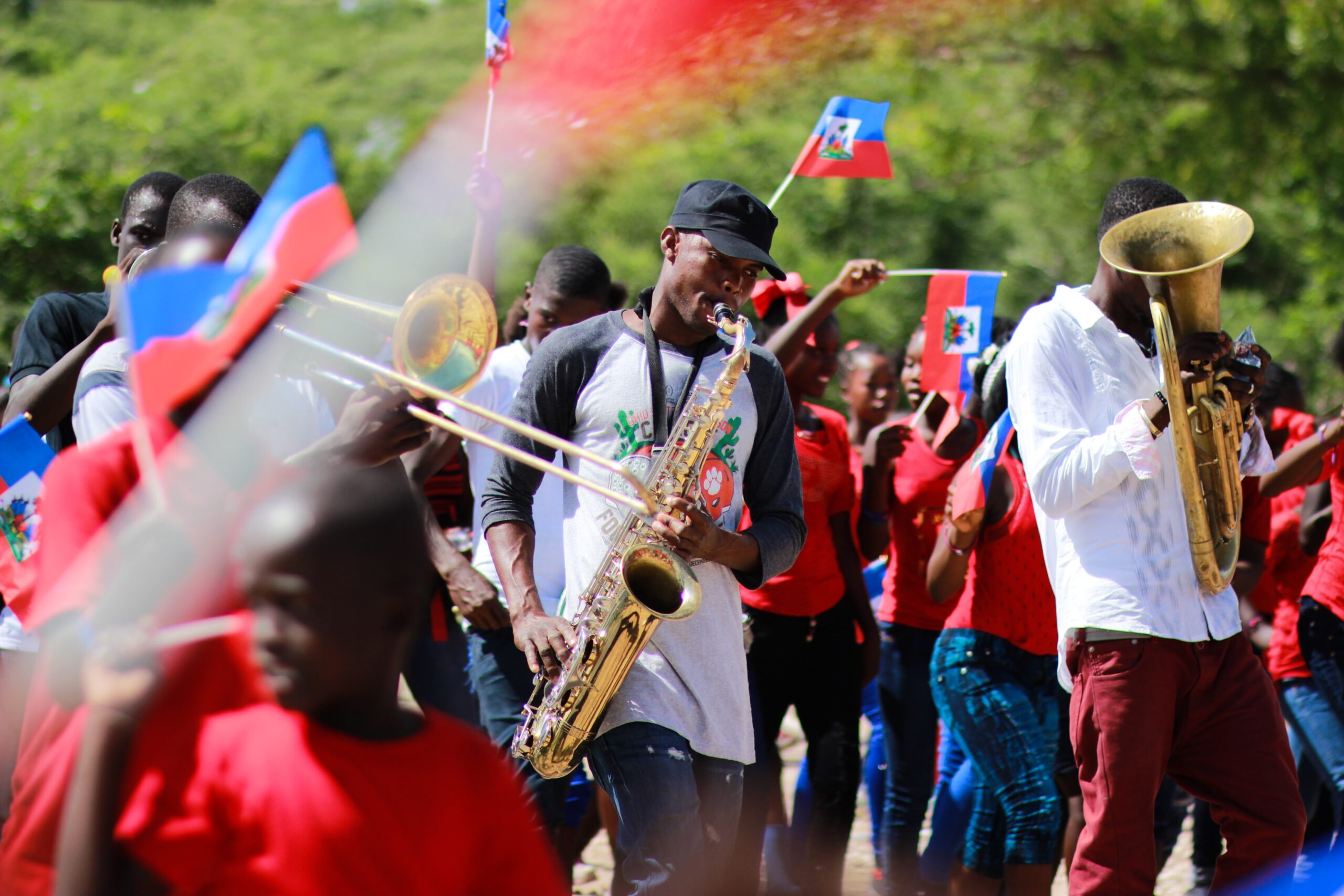
May is Haitian American Heritage Month. This is a great time to celebrate the vibrant culture, distinct art, and delectable cuisine of our Haitian team members around the country.
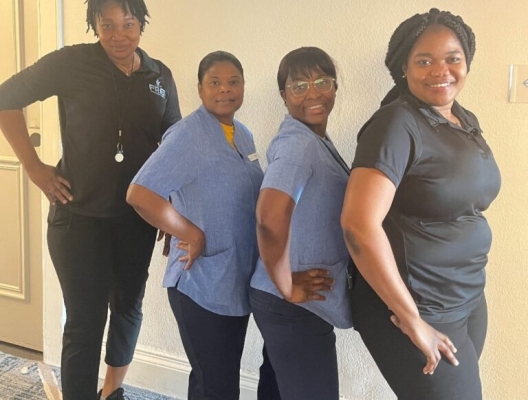
Housekeeping Team
The Don CeSar
Haiti, a country populated majorly by African descendants, gained its independence from French colonizers in 1804. The Battle of Vertiéres was a testament to the grit of the Haitian people, during which they overthrew the French to become a free country. Haiti was the first Black republic in the world to free itself from colonial rule. Today, the Haitian community exhibits these nuances of their history through their evocative art, literature, costumes, faith, and life.
Haitian culture is an amalgamation of Taino and African practices blended with European elements, thanks to French colonization. This mix of elements can be found in their cuisine too, which includes the rustic flavors of local dishes with a hint of French sophistication.
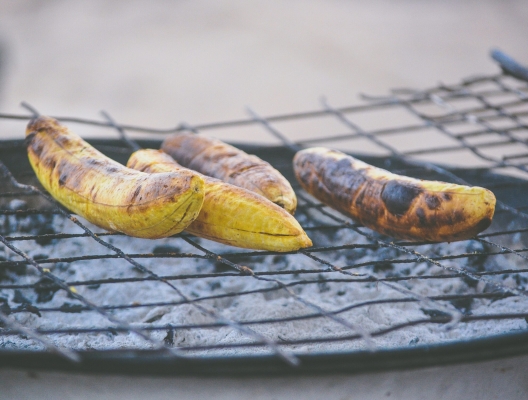
Fritay refers to fried foods. Seasoned grated malanga fritters called akra, can trace their lineage directly back to West Africa, where similar preparations exist with the same name. Perhaps the simplest fritay is patat, slices of deep fried white sweet potatoes typically served as a snack or side dish.Bannann peze— fried slices of green plantain that are pressed into flat discs and fried again — are ubiquitous in Haitian cuisine, and similar to plantain preparations found throughout the Caribbean. Meats require a more complex process. Beef or goat (and sometimes turkey) become tasso, while pork becomes griot, which is considered Haiti’s national dish. Preparing the meat typically involves thoroughly washing it, scrubbing it with salt and citrus, scalding it with salted water, and then marinating it in a seasoning paste called epis consisting of parsley, scallions, bell peppers, Scotch bonnet chiles, garlic, cloves, thyme, and citrus juice, along with other herbs and seasonings that vary with each cook.
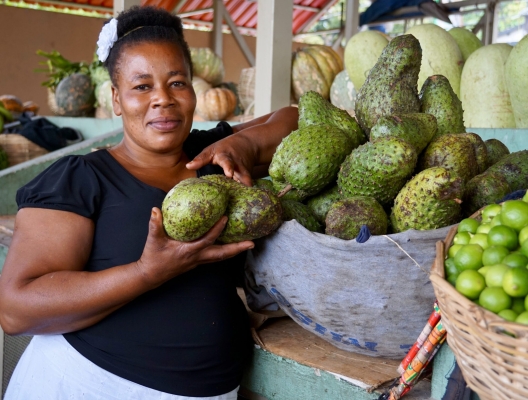
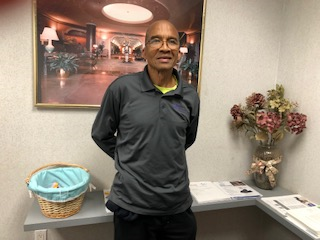
Banquets Team
Hyatt Regency Birmingham
What Heritage Month means to you?
I am proud to be from the first Black independent nation.
What are some traditions or celebrations with family during this time?
That’s when we feel unity. We all gather at the National palace and have a good time with family and friends.
What is your favorite traditional recipe?
I don’t cook, except for myself. My favorite dish is rice and beans with griot (fried pork skin).
What is your favorite Haitian celebration?
We get Mardi Gras – it is where old people and kids have fun in the streets of Haiti dancing, a lot of fun for us.
Learn how our evolving Sourcing platform supports property teams with data-driven tools, supplier partnerships, and tailored training to help drive smarter decisions and stronger operations.
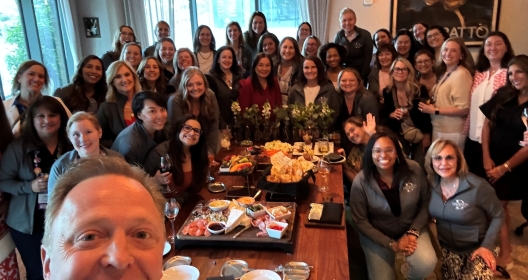
Davidson Hospitality Group sent 40+ team members to the AHLA Foundation's 2026 ForWard Conference in Atlanta, celebrating women in hospitality and the next generation of leaders.

June is Pride Month and we are excited to celebrate our LGBTQIA+ community! From rainbow cocktails to drag brunches, join the fun.

Step into a day with Dalila Pineda, Executive Housekeeping Manager at Nobu Hotel Miami Beach, as she leads her team, connects with guests, and keeps operations running smoothly.

I started my career in Revenue Management with Davidson Hospitality Group in May 2000 at the Hilton Kansas City Airport.